
It all began with the Portuguese, which is not something you hear very often. They discovered the island in the 16th century and called it Ilha Formosa, which means beautiful island
They kept it for 80 years. But then in the 17th century four different countries took it over – first the Dutch, then Spain, then the Kingdom of Tungning and finally the Qing Dynasty, who kept it for over 200 years. But then in 1895 they ceded it to Japan who cherished the island for 50 years but then lost it to China.
Poor Taiwan. They were like a foster child in and out of care homes. And now they are all grown up and want their independence. Good luck with that!
Through it all, the only foster parent they really liked was Japan. They liked how they cared for them. They liked how polite they were, they liked how clean everywhere was and they really liked how quiet and soft spoken they were. Mind you, after 200 years of the Chinese anyone who spoke softly and was polite and clean would be welcome.
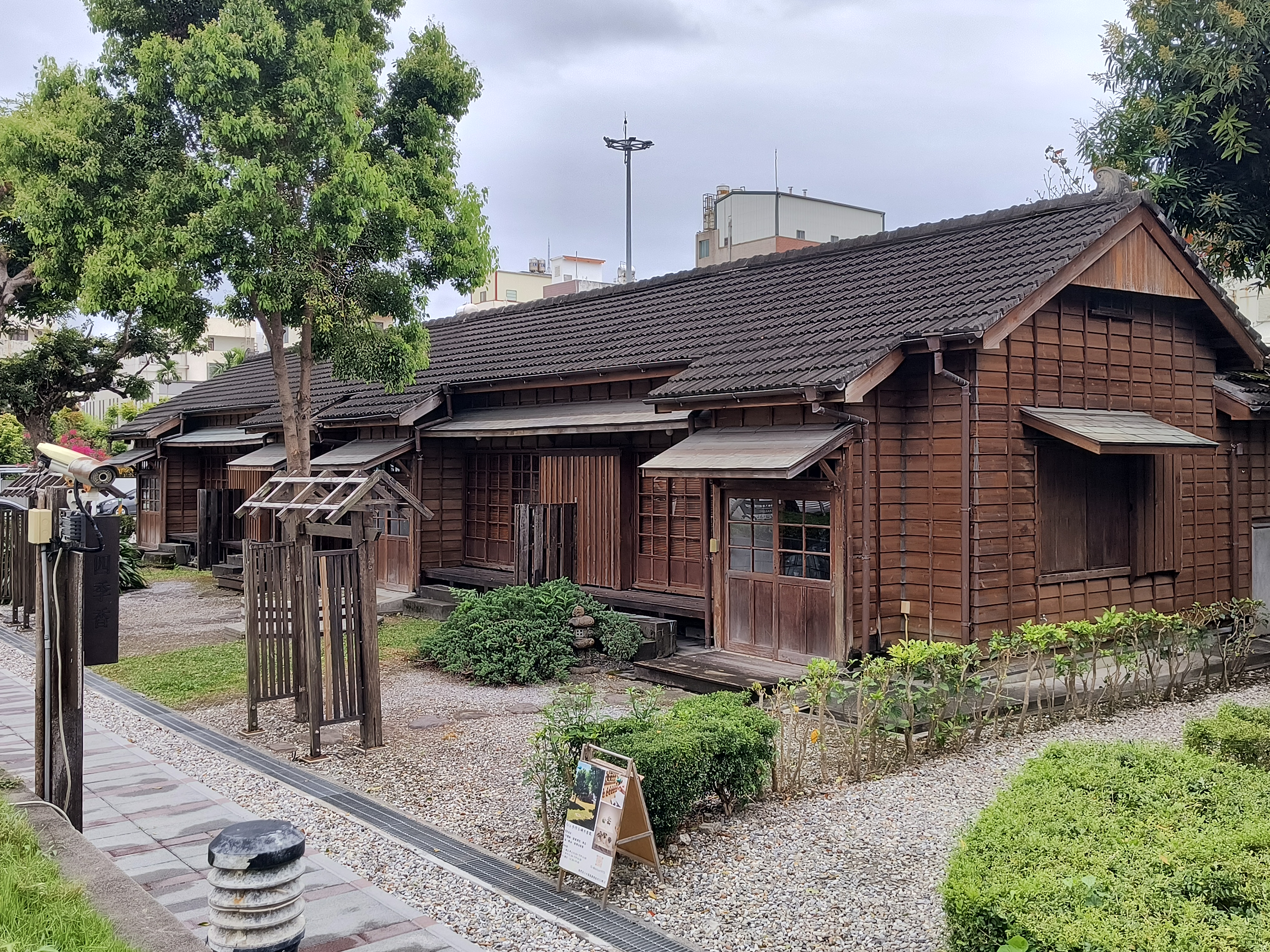
Have you ever been to China? The longer we are here, the more we realise that Taiwan has two faces. The Taiwan that’s influenced by the Chinese and the Taiwan that’s influenced by the Japanese. Visually it is easily seen in design, especially in the buildings. You have already seen the Japanese influence on our hotel. But there is the housing too.
Here is a classic example of Chinese housing, new and old, next door to each other
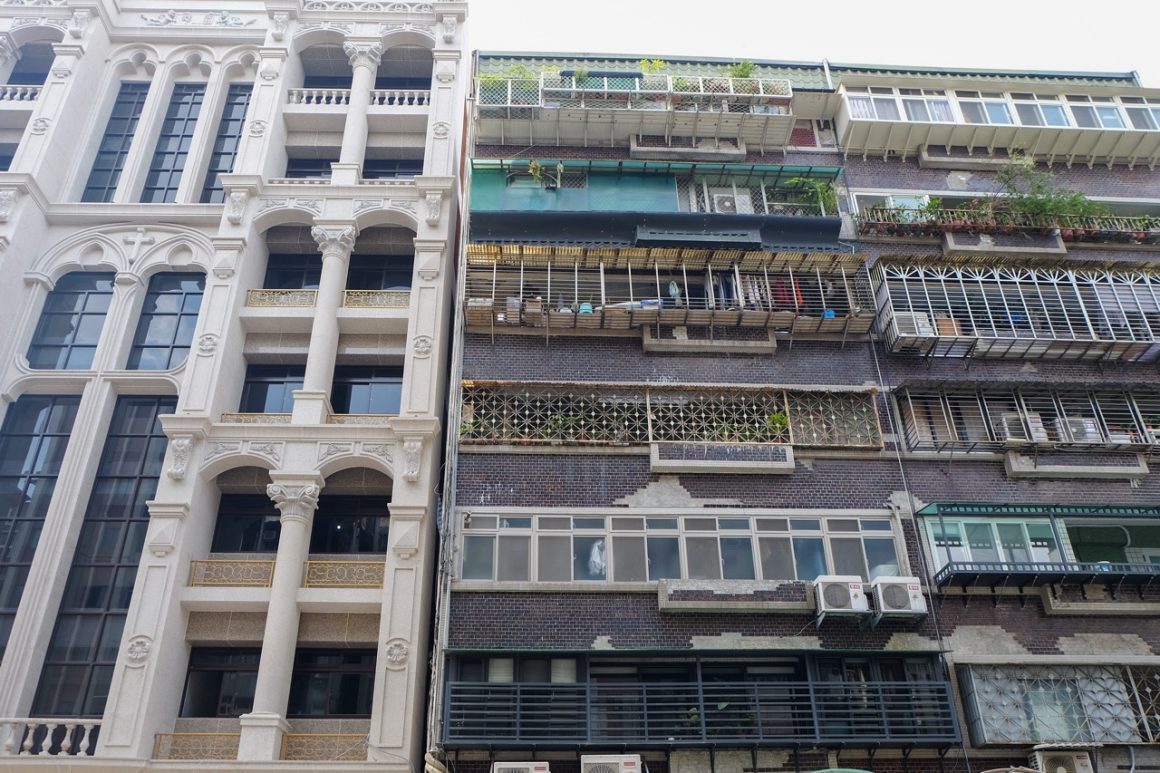
Take your pick!
And here is the old Japanese housing
And the new
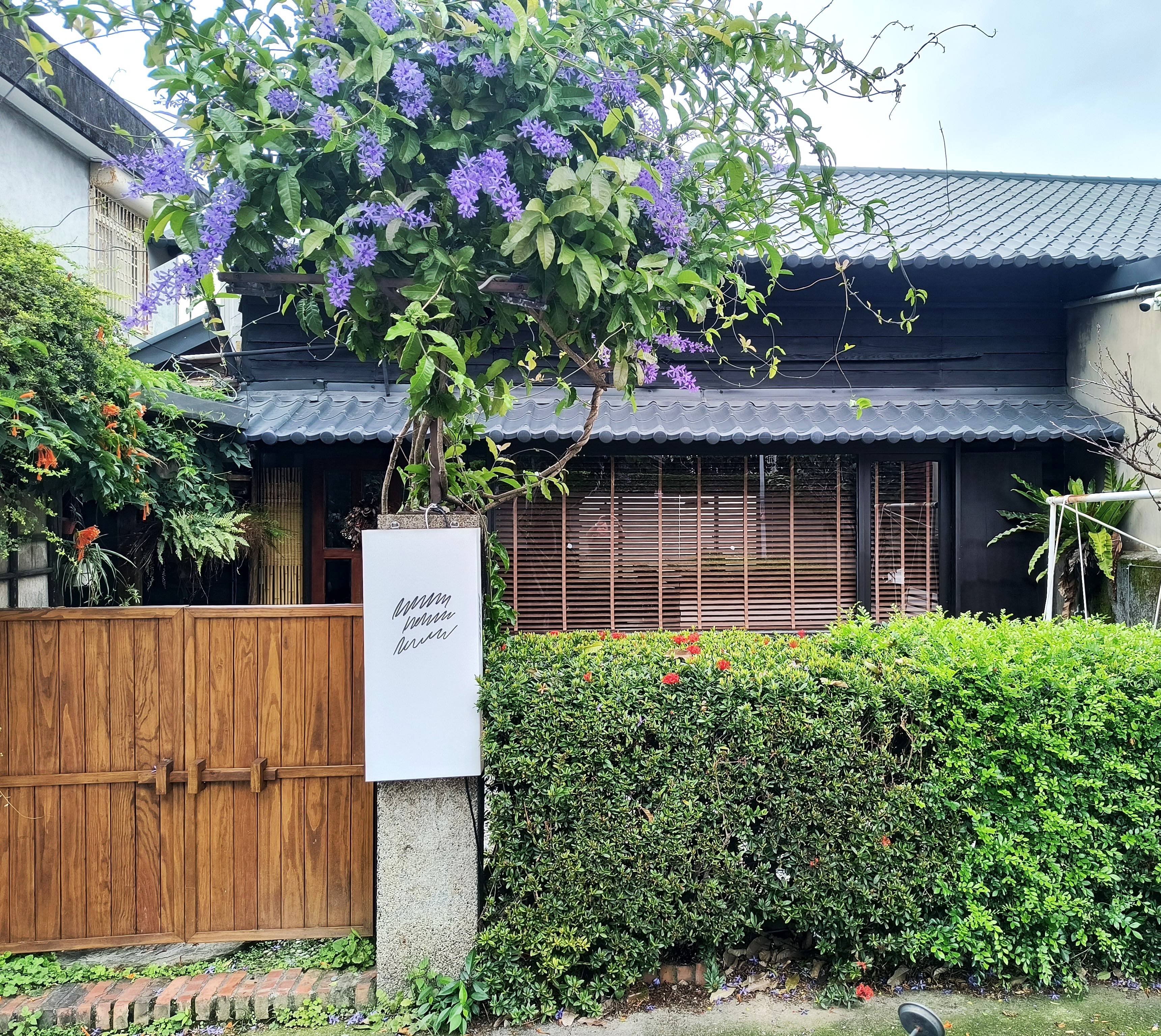
Sadly it is the Chinese architecture that dominates the cities.
But when it comes to the restaurants, the two are almost equal in number. There are plenty of chinese restaurants and nearly as many Japanese.
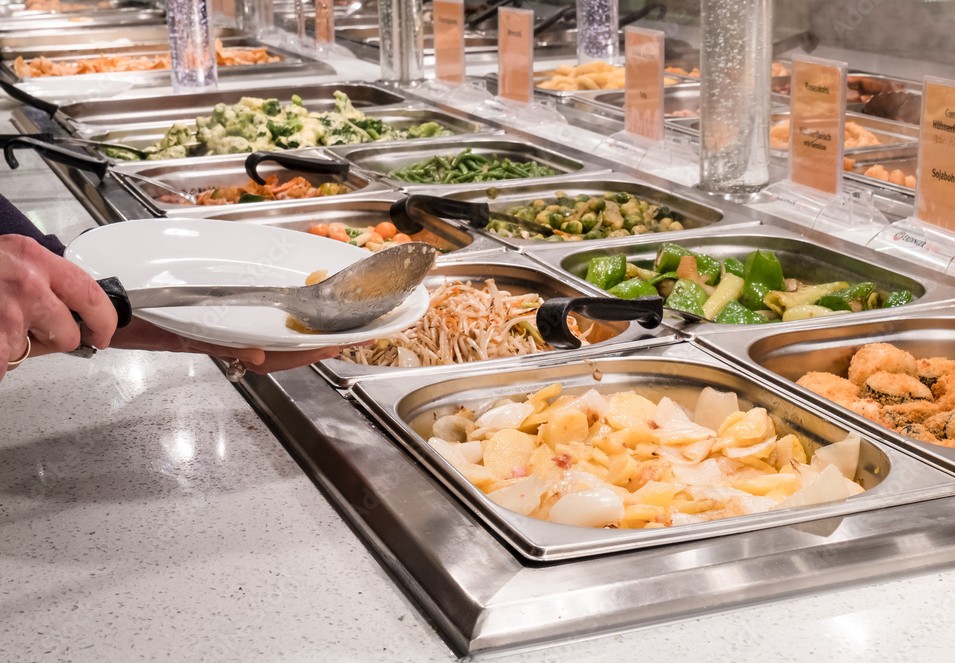
Here is a Chinese restaurant we didn’t eat at
And here is a Japaneses restaurant we did eat at
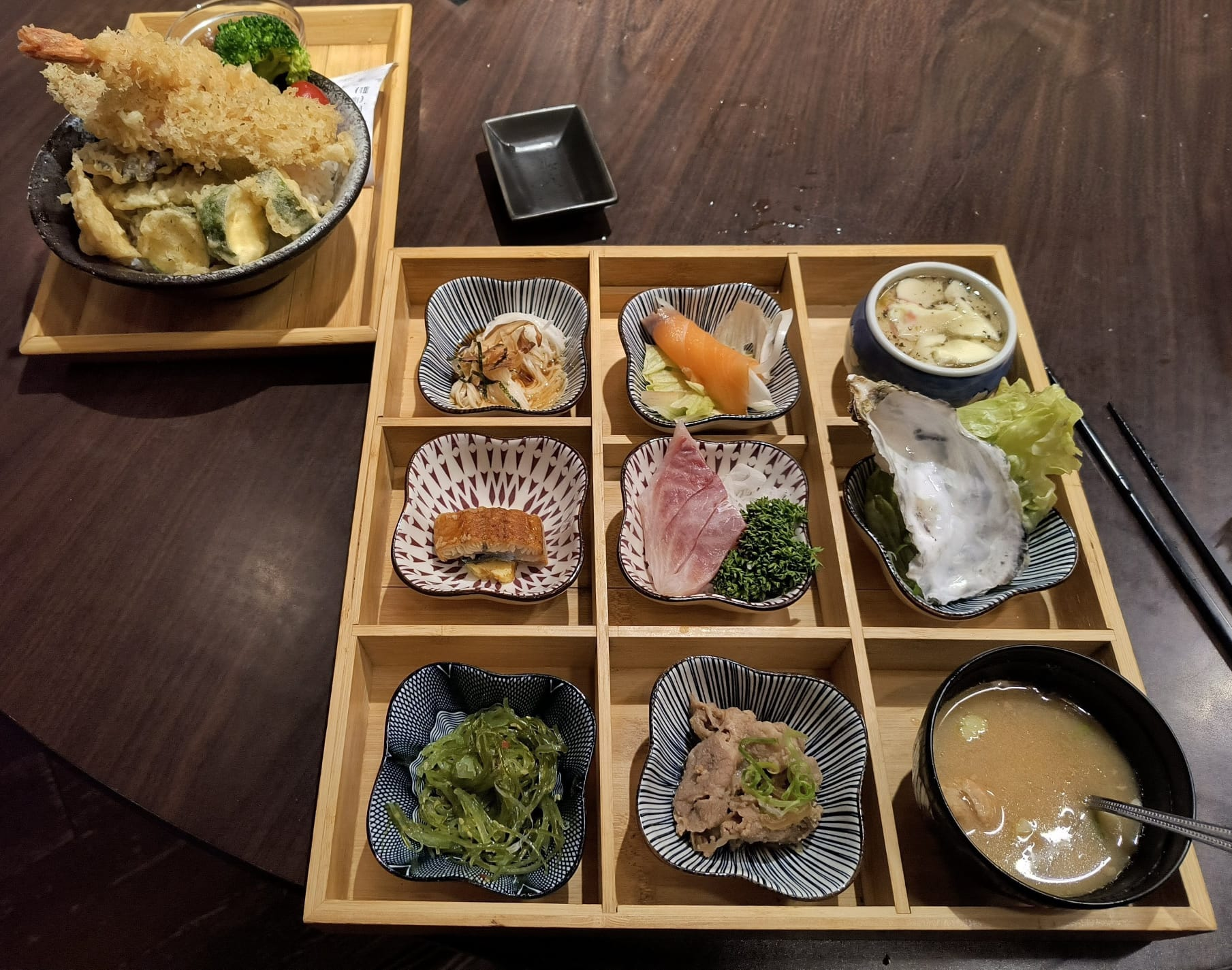
Sorry about the empty oyster shell – I couldn’t wait!!
The average Taiwanese had little say in how their buildings were built, or how many restaurants there were. But they had 100% say in how they behaved. And they knew one thing for sure. They did not want to behave like the Chinese. They wanted to be like the Japanese. And for that we should be grateful. Very grateful!
The first thing I notice is that everywhere is spotlessly clean. There are no trash cans and yet the streets and sidewalks are immaculate. Everyone takes their trash home with them.
In restaurants you get one cocktail sized napkin. You have to ask if you need another, and if you do the waiter gives you a look that tells you exactly what he thinks of the request. No one needs more than one as they eat so carefully and never make a mess. In one restaurant we watched an elegantly dressed young woman with her husband and young child sat next to her in a highchair (just the child, not the husband!). The child was dropping her food everywhere as every child does. When they had finished eating, the mother took a bag of wipes out of her handbag, squatted elegantly on the floor and completely cleaned the floor around the child. We tried to imagine that happening anywhere else in the world.
And the trains are equally spotless. There are two attendants, one constantly traveling up and down the train cleaning the toilets, and another with a little cart collecting your personal trash.
Going hand in hand (both carefully washed) with the cleanliness, is the peace and quiet. There are regular announcements on the train asking you to speak softly and to turn your phone to silent. If you want to take a call you must go and stand in the vestibule at the end of the carriage.
In fact, there are notices posted everywhere, in restaurants, in hotel rooms, on public transport, requesting everyone to speak softly. And they do. In the restaurants you are never disturbed by the conversation at the next table. As great as that might sound, it is not always a good thing!! Sometimes you desperately want to know what they are talking about! In Taiwan, you will never know.
And finally, everyone is so polite. They wait patiently in line at a bus stop or a train station. No one ever pushes in. They even form an orderly line to get on a busy escalator.
They never jay walk. They only cross the road at road crossings, and then only when there is a green light. If the light is red, they stand patiently waiting for it to turn green, even though there is not a car to be seen in any direction. Now that can drive me crazy!
Not only have they have embraced everything that is wonderful about the Japanese people, they have taken it to a new level in a couple of ways.
Firstly, unlike the Japanese, they recognise gay marriage. Being openly gay is not a problem, and gay men holding hands in the street is not an unusual sight.
Secondly, unlike the Japanese, the Taiwanese are always smiling (especially the gays!), often laughing. And friendly. Always friendly.
Their surroundings may not be what we would expect:
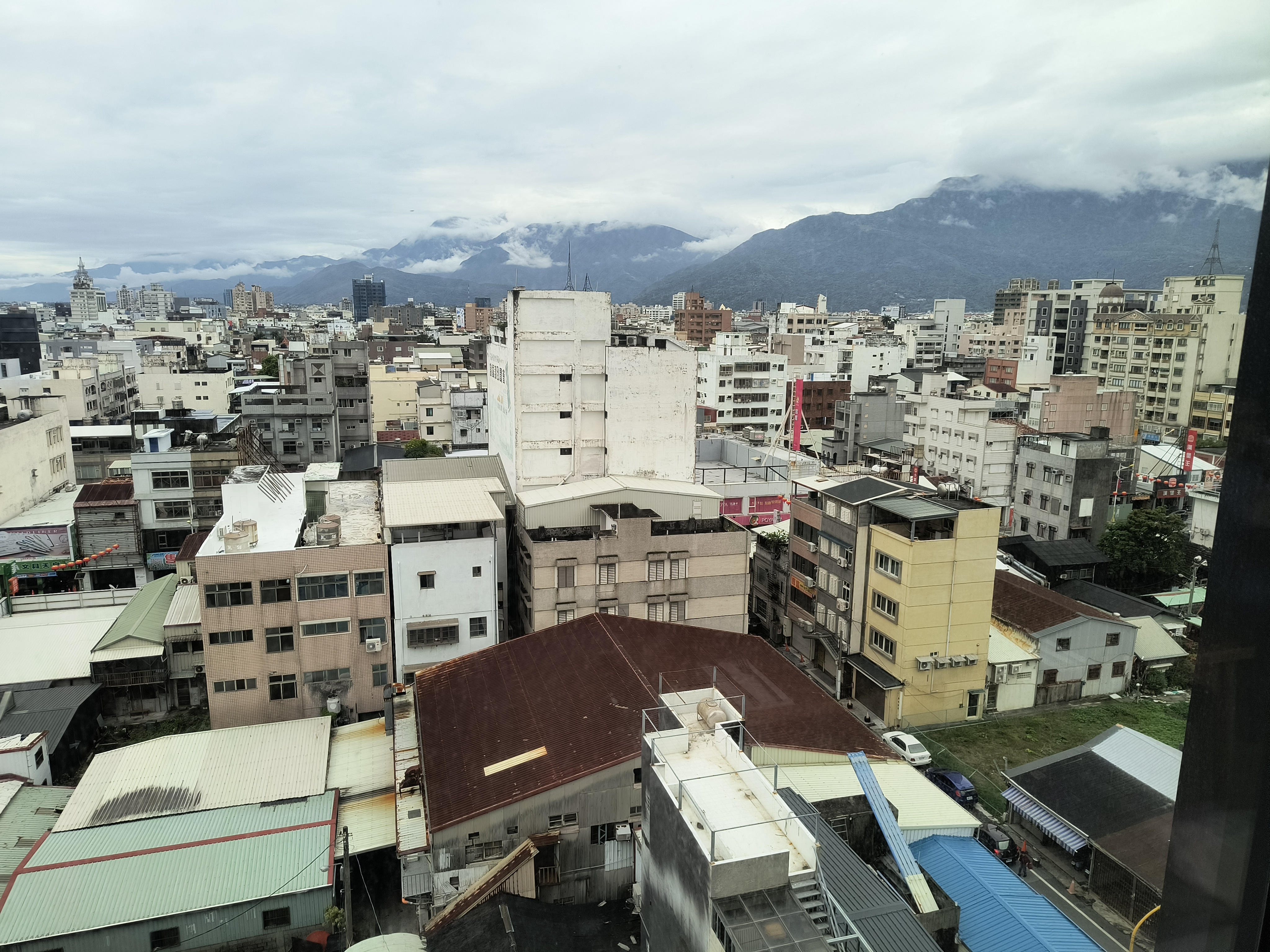
but they are delightful. We can only dream of being like them.
Sadly, this inspiring island is spoiled by just one thing. The constant roar of fighter jets overhead. They do their training maneuvers almost every day. Like us, the threat of war hangs heavily over them. Unlike us, they are not the cause of it.
 Andrews Fabulous Travel Blog
Fabulous and memorab